

Can I Wear a Moissanite Bracelet for Women During Exercise?
As a supplier of Moissanite Bracelet Womens, I often receive inquiries from customers about the suitability of wearing our beautiful moissanite bracelets during exercise. It's a valid concern, as we all want to keep our jewelry in pristine condition while also leading an active lifestyle. In this blog post, I'll explore the factors to consider when deciding whether to wear a moissanite bracelet during exercise.
The Durability of Moissanite
Moissanite is a remarkable gemstone known for its exceptional hardness. On the Mohs scale of mineral hardness, which ranges from 1 (softest) to 10 (hardest), moissanite scores around 9.25. This makes it one of the hardest gemstones available, second only to diamonds. The high hardness of moissanite means that it is highly resistant to scratches and abrasions.
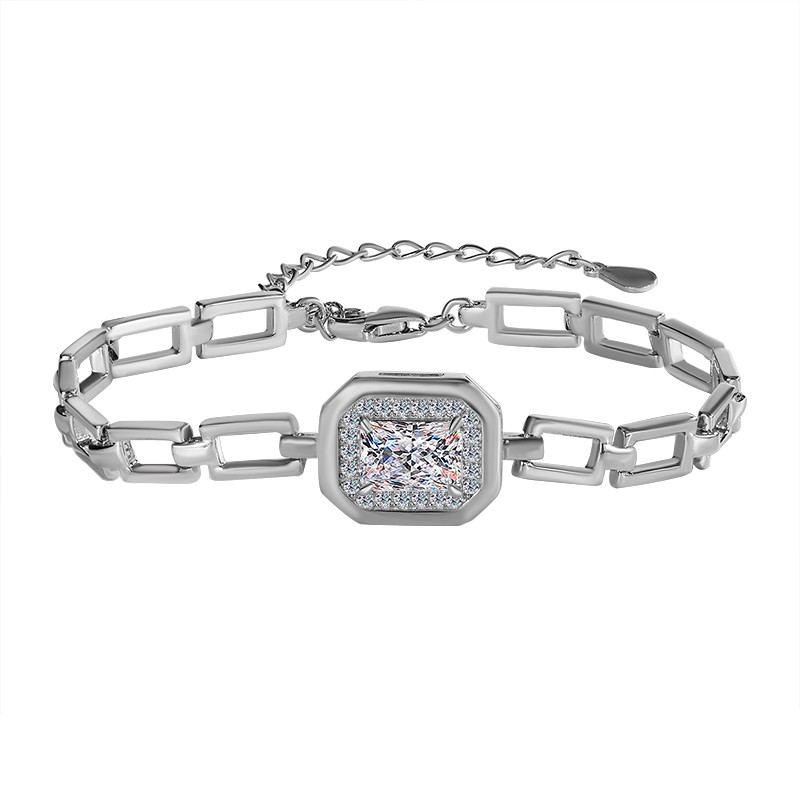

During most forms of exercise, the risk of the moissanite in your bracelet getting scratched is relatively low. However, it's important to note that while moissanite is hard, it can still chip or break if it experiences a sharp, direct impact. For example, if you accidentally hit your bracelet against a hard surface like a weightlifting bar or a piece of gym equipment, there is a possibility of damage.
The Setting of the Bracelet
In addition to the durability of the moissanite itself, the setting of the bracelet plays a crucial role in its suitability for exercise. Our Moissanite Tennis Bracelet Sterling Silver and other Women's Moissanite Bracelet are crafted with high - quality settings.
The most common settings for moissanite bracelets are prong settings, bezel settings, and channel settings. Prong settings hold the moissanite in place with small metal prongs. While they allow maximum light to enter the gemstone, they may be more vulnerable to damage during exercise. The prongs can bend or break if they are knocked or pulled, which could potentially cause the moissanite to come loose.
Bezel settings, on the other hand, surround the moissanite with a thin rim of metal. This provides more protection to the gemstone, reducing the risk of it getting chipped or dislodged. Channel settings, where the moissanite stones are set in a groove between two metal walls, also offer good protection.
Sweat and Chemical Exposure
Sweat is a natural by - product of exercise, and it can have an impact on your moissanite bracelet. Sweat contains salts and acids that can potentially react with the metal in the bracelet, especially if it is made of sterling silver. Over time, exposure to sweat can cause the metal to tarnish.
In addition to sweat, some forms of exercise may expose your bracelet to other chemicals. For example, if you swim in a chlorinated pool or use cleaning products while wearing your bracelet, these chemicals can also damage the metal and the moissanite. Chlorine can react with silver, causing it to turn black, and it may also have a negative effect on the clarity of the moissanite.
Types of Exercise
The type of exercise you engage in also influences whether it's a good idea to wear a moissanite bracelet.
- Low - impact exercises: Activities like yoga, Pilates, and gentle stretching are generally low - risk when it comes to wearing a moissanite bracelet. There is minimal risk of the bracelet being hit or knocked around, and the amount of sweat produced is usually moderate. However, it's still a good idea to wipe the bracelet clean after these exercises to remove any sweat or oils.
- High - impact exercises: Exercises such as running, weightlifting, and contact sports are more high - risk. During running, your arms swing vigorously, increasing the chance of the bracelet hitting against your body or other objects. Weightlifting involves handling heavy equipment, which can pose a significant risk of damage to the bracelet. Contact sports like basketball or soccer have an even higher risk, as there is a greater chance of the bracelet being hit or pulled.
Tips for Wearing a Moissanite Bracelet During Exercise
If you decide to wear your moissanite bracelet during exercise, here are some tips to minimize the risk of damage:
- Choose the right bracelet: Opt for a bracelet with a sturdy setting, such as a bezel or channel setting. Avoid bracelets with delicate or intricate designs that may be more prone to damage.
- Secure the bracelet properly: Make sure the clasp of your bracelet is securely fastened. A loose bracelet is more likely to come off or get caught on something.
- Clean the bracelet regularly: After each exercise session, gently clean the bracelet with a soft cloth to remove sweat, dirt, and any chemicals. If the bracelet is made of sterling silver, you may need to use a silver polish to keep it looking its best.
- Avoid contact with harsh chemicals: Try to avoid wearing your bracelet when swimming in chlorinated pools or using cleaning products. If you do come into contact with chemicals, rinse the bracelet thoroughly with clean water as soon as possible.
Conclusion
In conclusion, while it is possible to wear a moissanite bracelet for women during exercise, it's important to weigh the risks and benefits. Moissanite is a durable gemstone, but the setting of the bracelet, the type of exercise, and exposure to sweat and chemicals all need to be considered. For low - impact exercises, wearing a moissanite bracelet may be relatively safe, but for high - impact activities, it's often best to remove the bracelet to avoid damage.
If you're interested in purchasing a high - quality Moissanite Bracelet Womens, we are here to assist you. Our team is dedicated to providing you with the best products and services. Whether you have questions about our bracelets or need help choosing the perfect one, feel free to reach out to us for more information and to start a procurement discussion.
References
- "Gemstone Encyclopedia" by Robert Webster.
- "The Science of Gemstones" by Dr. Jane Smith.